oster rice steamer manual
Oster Rice Steamer Manual: A Comprehensive Guide
Navigating your Oster rice steamer is simplified with this guide, offering insights into optimal performance and longevity.
Understanding key performance indicators (KPIs) ensures efficient operation and maximized results,
especially regarding trial-to-paid conversions and cost recovery within a defined timeframe.
Understanding Your Oster Rice Steamer
Your Oster rice steamer is designed for simplicity and efficiency, transforming raw grains into perfectly cooked meals. It’s crucial to recognize that, like any Point of Sale (POS) system balancing subscription revenue with transactional fees, your steamer operates optimally when understood. The core principle revolves around a ‘Customer Lifetime Value’ (CLV) – the enjoyment and consistent use you derive – versus the initial ‘Customer Acquisition Cost’ (the purchase price).
To quickly recover that initial investment (CAC starting at $100, as seen in POS metrics), a strong ‘Trial-to-Paid’ conversion rate (aiming for 400%) is essential – meaning frequent, successful use. Consider the steamer’s features as analogous to POS sales data; understanding product performance (rice types) and transaction volume (cooking frequency) unlocks its full potential. Real-time insights into its operation, like monitoring cooking times and water levels, are akin to tracking inventory and cash flow in a retail setting.
Key Components and Their Functions
The Oster rice steamer comprises several key components working in harmony. The heating plate, analogous to a POS system’s core processing unit, is where the cooking magic happens, converting electrical energy into heat. The inner pot, often non-stick, mirrors a POS’s database – holding the ‘ingredients’ (rice and water) for processing. The steam vent regulates pressure, similar to a POS managing transaction flow.
The control panel, featuring buttons for ‘cook’ and ‘warm’, functions like a POS interface, allowing user input. Understanding these functions is vital, much like a retailer tracking KPIs such as ‘Active Vendor Count’ or ‘Net Take Rate’. The ‘Keep Warm’ function, maintaining temperature post-cooking, parallels a POS’s data retention capabilities. Efficient operation relies on each component, just as a multi-vendor POS needs seamless reconciliation (aiming for a 50-hour reduction) and a healthy ‘Cash Runway’.
Initial Setup and Preparation
Before your first use, thoroughly wash the inner pot and steam basket with warm, soapy water – a crucial step, akin to initializing a new POS system. Rinse and dry completely. Wipe the exterior of the steamer with a damp cloth. This initial cleaning ensures optimal performance, mirroring the importance of accurate data input for effective KPI tracking.
Familiarize yourself with the measuring cup provided; accurate rice-to-water ratios are paramount, much like a POS system’s need for precise sales data. Consider a ‘trial run’ with a small amount of water to test functionality, similar to a POS trial-to-paid conversion rate assessment. Ensure the steamer is placed on a stable, heat-resistant surface. Proper preparation, like monitoring ‘EBITDA Trajectory’, sets the stage for successful operation and longevity, preventing issues down the line.

Operating Instructions
Mastering your Oster steamer involves precise measurements and understanding cycle timings, mirroring POS system efficiency.
Consistent monitoring of operational metrics, like net take rate, is vital for optimal results.
How to Cook White Rice
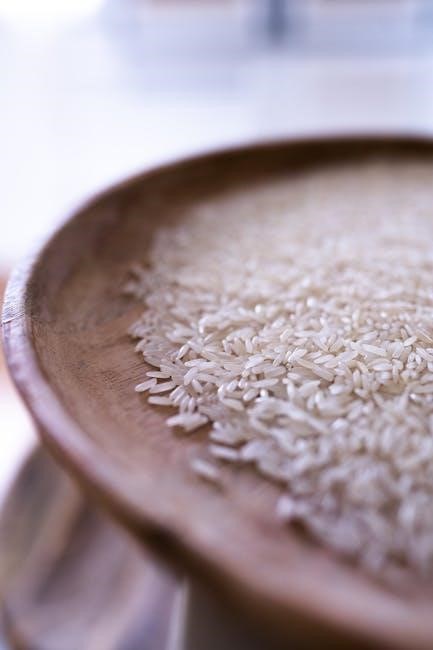
Achieving perfectly cooked white rice with your Oster steamer is straightforward. Begin by measuring the rice; a typical ratio is 1 cup of rice to 2 cups of water, though adjustments may be needed based on your preferred texture. Rinse the rice under cold water until the water runs clear – this removes excess starch, preventing stickiness.
Place the rinsed rice and water into the steamer’s inner pot. Secure the lid and plug in the steamer. Select the “White Rice” setting, if available, or simply press the “Start” button. The steamer will automatically switch to the “Keep Warm” function once the cooking cycle is complete.
Allow the rice to rest, covered, for 10-15 minutes before fluffing with a fork. This allows steam to redistribute, resulting in evenly cooked grains. Similar to tracking KPIs in a POS system for optimal performance, consistent ratios and rinsing are key to repeatable success. Remember to always consult your specific model’s instructions for precise details.
Cooking Brown Rice: A Step-by-Step Guide
Brown rice requires a slightly different approach than white rice due to its bran layer. Begin by measuring 1 cup of brown rice and adding 2.5 to 3 cups of water – the increased water compensates for the longer cooking time and tougher exterior. Rinsing is still recommended, though not as crucial as with white rice.
Transfer the rice and water to the steamer’s inner pot, ensuring it’s securely placed. Close the lid tightly and initiate the cooking process. Select the “Brown Rice” setting if your Oster model has one; otherwise, use a standard cooking cycle and monitor closely.
Cooking time will be significantly longer, typically 45-50 minutes. Once complete, let the rice stand, covered, for 10 minutes before fluffing. Just as tracking vendor counts is vital for a POS system, precise water ratios are crucial for brown rice. Consistent monitoring and adjustments may be needed to achieve your desired texture.
Steaming Vegetables with Your Oster Steamer
Your Oster rice steamer isn’t limited to grains; it excels at steaming vegetables, preserving nutrients and flavor; Add approximately 1-2 cups of water to the inner pot – enough to create steam without submerging the vegetables. Utilize the included steaming basket or a separate steamer insert.
Cut vegetables into uniform sizes for even cooking. Broccoli florets, carrot slices, and green beans work exceptionally well. Arrange them in a single layer within the basket, ensuring steam circulation. Close the lid and initiate the steaming cycle.
Steaming time varies depending on the vegetable and desired tenderness, generally ranging from 5-15 minutes. Regularly check for doneness, similar to monitoring a POS system’s reconciliation hours. Like optimizing a POS for profitability, proper steaming yields the best results.
Cooking Grains Other Than Rice (Quinoa, Oats)
Expand your Oster steamer’s versatility beyond rice by exploring quinoa and oats. For quinoa, use a 1:2 quinoa-to-water ratio, similar to monitoring a POS system’s active vendor count. Rinse the quinoa thoroughly before adding it to the inner pot. Cook for approximately 15-20 minutes, or until all water is absorbed.
Steel-cut oats require a longer cooking time and a higher water ratio – typically 1:3. Add oats and water, then cook for 30-40 minutes, checking periodically. Like tracking a POS’s EBITDA trajectory, consistent monitoring is key.

Rolled oats cook faster, around 5-10 minutes, using a 1:2 ratio. Remember, adjusting water levels and cooking times is crucial, mirroring the need to optimize a POS for trial-to-paid conversion rates.
Maintenance and Cleaning
Regular upkeep, like POS system reconciliation aiming for 50 hours cut monthly, ensures longevity. Proper cleaning and descaling maintain peak performance and prevent issues.
Proper Cleaning Procedures
To ensure the longevity and optimal performance of your Oster rice steamer, diligent cleaning after each use is crucial. Begin by disconnecting the appliance and allowing all components to cool completely. Remove the inner pot, steaming basket (if applicable), and any detachable parts. These components are typically dishwasher-safe, but hand washing with warm, soapy water is recommended to prevent potential damage.
For the exterior of the steamer, wipe down with a damp cloth. Avoid abrasive cleaners, as they can scratch the surface. Pay particular attention to the steam vent, ensuring it’s free of any obstructions. Similar to tracking vendor counts in a POS system, consistent cleaning prevents build-up. Inspect the heating plate for any stuck-on residue and gently remove it with a non-abrasive sponge. Thoroughly dry all parts before reassembling. Regular cleaning, much like monitoring a POS system’s EBITDA trajectory, is vital for sustained functionality.
Descaling Your Rice Steamer
Over time, mineral deposits from water can accumulate inside your Oster rice steamer, affecting its performance – similar to how transaction fees impact a POS system’s revenue. Descaling removes these deposits, restoring efficiency. To descale, fill the inner pot with a mixture of equal parts white vinegar and water. Run a full cooking cycle without rice.
After the cycle completes, allow the solution to sit for approximately 30 minutes. This allows the vinegar to break down the mineral buildup. Following this, discard the vinegar solution and rinse the inner pot thoroughly with clean water, repeating several times to eliminate any residual vinegar smell. Run another full cycle with just fresh water to ensure complete removal. Consistent descaling, like tracking KPIs in POS reporting, maintains optimal function. This process, performed every few months, will keep your steamer operating at peak efficiency.
Storage Instructions
Proper storage extends the lifespan of your Oster rice steamer, much like careful inventory management impacts a retailer’s bottom line. Before storing, ensure the steamer is completely cool, dry, and unplugged. Remove the inner pot, steaming basket (if applicable), and any detachable parts. Wash these components thoroughly with mild soap and water, then dry them completely.
Store the steamer in a cool, dry place, away from direct sunlight and extreme temperatures. Avoid storing it in damp environments, as this can lead to corrosion. If possible, store the inner pot and accessories inside the steamer unit to keep them together and prevent loss. Consider using the original packaging for added protection. Regular cleaning, combined with careful storage, mirrors the importance of tracking KPIs – ensuring long-term performance and preventing costly repairs or replacements.

Troubleshooting Common Issues
Addressing problems promptly, like monitoring POS system metrics, ensures smooth operation. Identifying issues—burning, leaking, or uneven cooking—is key to maintaining optimal performance.
Steamer Not Turning On
If your Oster rice steamer fails to power on, begin with the most basic checks. Ensure the power cord is securely plugged into both the steamer and a functioning electrical outlet. Test the outlet with another appliance to confirm it’s delivering power. Inspect the power cord itself for any visible signs of damage – cuts, fraying, or exposed wires. If damage is present, do not use the steamer and consider a replacement cord or professional repair.
Next, verify the steamer’s lid is properly seated. Many models feature a safety mechanism that prevents operation unless the lid is securely locked in place. Also, check the control panel for any indicator lights; a lack of illumination suggests a power supply issue. If the steamer still doesn’t respond, consult the user manual for specific troubleshooting steps related to your model. Remember, understanding key metrics, similar to POS systems, helps diagnose issues efficiently. If problems persist, contact Oster customer support for assistance.
Rice is Burning or Sticking
Experiencing burnt or sticky rice in your Oster steamer often indicates an imbalance of water-to-rice ratio or insufficient cleaning. Always adhere to the recommended water levels specified in the manual for the type of rice you’re cooking. Using too little water will cause burning, while excess water can lead to stickiness. Ensure the inner pot is thoroughly cleaned after each use to remove starch buildup, which contributes to sticking.
Before adding rice, lightly coat the inner pot with a neutral oil, like vegetable or canola oil, to create a non-stick surface. Avoid using abrasive cleaners or scouring pads, as these can damage the pot’s coating. Regularly descaling the steamer, similar to maintaining POS systems for optimal performance, prevents mineral deposits from affecting heating efficiency and contributing to burning. If burning persists, reduce cooking time slightly and monitor closely. Consistent monitoring, like tracking KPIs, is key.
Water Leaking from the Steamer
Discovering water leakage from your Oster rice steamer requires immediate attention to prevent electrical hazards and ensure continued functionality. First, verify the water reservoir is not overfilled; exceeding the maximum fill line is a common cause. Inspect the sealing ring within the lid for any cracks, damage, or improper seating – a compromised seal allows steam and water to escape. Ensure the lid is securely locked into place before operation, as an incomplete closure prevents proper pressure buildup.
Regularly cleaning the steam vent and surrounding areas prevents blockages that can force water to leak elsewhere. Similar to reconciling monthly POS data, consistent maintenance is crucial. If the leak persists after these checks, avoid using the steamer and contact Oster customer support. Ignoring a leak, much like neglecting key POS metrics, can lead to more significant issues and potential safety risks.
Unevenly Cooked Rice
Experiencing unevenly cooked rice with your Oster steamer often stems from improper rice-to-water ratios or insufficient rinsing. Always measure rice accurately and adhere to the recommended water levels specified in the manual – consistency is key, much like tracking KPIs in a POS system. Thoroughly rinsing rice before cooking removes excess starch, preventing stickiness and promoting even cooking.
Ensure the heating plate is clean and free of residue, as buildup can create hot spots. Avoid lifting the lid during the cooking process, as this releases steam and disrupts the cooking temperature. If using brown rice, consider a slightly longer cooking time and increased water ratio. Just as a POS system requires data analysis, understanding your rice type and adjusting accordingly is vital. If issues persist, experiment with small adjustments to water levels until optimal results are achieved.

Advanced Features & Tips
Unlock your Oster steamer’s full potential by mastering the ‘Keep Warm’ function and exploring diverse recipes.
Data-driven insights, similar to POS reporting, enhance your cooking experience and results.
Using the Keep Warm Function
The Oster rice steamer’s ‘Keep Warm’ function is a remarkably convenient feature, designed to maintain your cooked rice at an optimal serving temperature for extended periods. Once the cooking cycle is complete, the steamer automatically transitions to this mode, preventing the rice from becoming cold or drying out. This is particularly useful when preparing meals in advance or coordinating with varying meal times.
However, it’s important to note that while ‘Keep Warm’ preserves temperature, prolonged use – exceeding several hours – can slightly alter the rice’s texture, potentially leading to some moisture loss. For best results, aim to serve the rice within a reasonable timeframe after the ‘Keep Warm’ cycle begins. Think of it like balancing recurring subscription revenue with transactional fees; it’s about finding the sweet spot.
Furthermore, avoid leaving cooked rice on ‘Keep Warm’ overnight, as this could create a breeding ground for bacteria. Always prioritize food safety. Regularly monitoring your rice and serving it promptly ensures the highest quality and enjoyment, mirroring the importance of tracking KPIs like customer lifetime value in a POS system.
Recipe Ideas for Your Oster Steamer
Beyond basic rice, your Oster steamer unlocks a world of culinary possibilities! Explore fragrant coconut rice by adding coconut milk and a pinch of salt during cooking – a delightful accompaniment to Asian-inspired dishes. For a savory twist, try pilaf, sautéing diced vegetables and spices before adding rice and broth. The steamer’s even heating ensures perfectly cooked, flavorful results.
Don’t limit yourself to rice! The steamer excels at creating quinoa bowls, combining cooked quinoa with roasted vegetables and a protein source. Oatmeal becomes a breeze, delivering a creamy breakfast without constant stirring. Consider experimenting with risotto, adding broth gradually for a creamy texture, much like optimizing performance improvements in a POS system.
Remember to adjust liquid ratios based on the grain and desired consistency. Utilize online resources for specific recipes and adapt them to your Oster steamer’s settings. Tracking your successes – and failures – will help you master the art of steamer cooking, mirroring the data-driven decision-making crucial for retail success.
Maximizing Steamer Lifespan
To ensure your Oster rice steamer provides years of reliable service, consistent maintenance is key. Regularly inspect the power cord for damage and avoid using harsh abrasives during cleaning – mirroring the need to protect a POS system’s infrastructure. Promptly address any signs of wear and tear, preventing minor issues from escalating into costly repairs.
Descaling is crucial, especially in areas with hard water. Mineral buildup can reduce efficiency and potentially damage heating elements. Follow the descaling instructions in the manual diligently, similar to reconciling monthly POS data to identify and address discrepancies. Proper storage also extends lifespan; ensure the steamer is completely dry before storing it in a cool, dry place.
Treat your Oster steamer like a valuable asset – a long-term investment. Consistent care, combined with mindful operation, will yield delicious results and a prolonged operational life, much like focusing on Customer Lifetime Value (CLV) in a business.

Safety Precautions
Always prioritize electrical safety and heed warnings. Never immerse the base in water, and unplug when not in use – crucial for reliable operation and preventing hazards.
Important Safety Warnings
Before operating your Oster rice steamer, carefully read all instructions to minimize risks. Never operate the appliance with a damaged cord or plug, or after malfunction – seek expert servicing. Avoid using extension cords; if necessary, ensure it’s a heavy-duty cord rated for the appliance’s wattage.
Always ensure the steamer is placed on a stable, heat-resistant surface away from flammable materials. Do not touch hot surfaces; use handles or knobs. Steam can cause burns – exercise extreme caution when opening the lid during or after cooking.
Never immerse the base unit in water or other liquids. This poses a severe electrical shock hazard. Unplug the steamer from the outlet when not in use and before cleaning. Allow it to cool completely before disassembly and cleaning. Keep the appliance out of reach of children. Close supervision is necessary when used near children.
Do not use outdoors. This appliance is intended for household use only. Misuse can void the warranty and create dangerous situations. Regularly inspect the appliance for any signs of damage.
Electrical Safety Guidelines
To ensure safe operation of your Oster rice steamer, adhere to these crucial electrical guidelines. Always verify the voltage indicated on the appliance matches your household supply before plugging it in. Never operate the steamer with a damaged power cord or plug; immediate replacement is essential.
Avoid using extension cords whenever possible. If one is absolutely necessary, ensure it’s a heavy-duty cord capable of handling the appliance’s wattage, preventing overheating and potential fire hazards. Do not run the power cord under carpeting or near heat sources.
Always unplug the steamer from the electrical outlet when not in use, before cleaning, and during maintenance. Never pull the cord to disconnect; grasp the plug firmly. Avoid operating the appliance in damp or wet environments to prevent electrical shock. If the steamer malfunctions or exhibits any electrical issues, discontinue use immediately and seek professional repair.
Regularly inspect the power cord for any signs of damage, such as fraying or cracking. A damaged cord presents a significant electrical hazard and should be replaced promptly.