
chicco nextfit max manual
Chicco NextFit Max Manual: A Comprehensive Guide
This manual, dated 2023, provides essential guidance for the Chicco NextFit MAX ZIP convertible car seat, emphasizing safety and proper installation procedures for parents.
The Chicco NextFit Max is a convertible car seat designed to grow with your child, offering extended rear-facing and forward-facing capabilities. This guide, referencing documentation from Artsana USA, Inc. (2023) and information available as of May 30, 2024, will walk you through its features and proper usage.
Understanding this manual is crucial for ensuring your child’s safety. The NextFit Max prioritizes a secure and comfortable ride, adapting to various vehicle types. Always consult your vehicle’s owner manual for compatibility. Remember, the back seat remains the safest location for children aged twelve and under.
This car seat is designed for ease of use, featuring adjustable components and a focus on correct installation. Proper installation, as detailed within, is paramount. Store this user guide in the designated compartment at the rear of the base for future reference.
Understanding the Convertible Car Seat Features
The Chicco NextFit Max boasts several key features enhancing safety and convenience. It includes a Newborn Headrest and positioner, designed for smaller infants, requiring specific installation steps – removing the Crotch Strap Pad beforehand. The seat’s convertible nature allows for both rear-facing and forward-facing modes, adapting as your child grows.
Adjustable recline positions ensure a comfortable fit, while the harness system, featuring adjustable straps and a secure buckle, provides optimal restraint. The manual emphasizes the importance of correctly threading the harness buckle through the Newborn Positioner slots. Elastic hooks secure the straps, and replacing the backrest pad is part of the setup.

This car seat is designed with user-friendliness in mind, but proper understanding of each feature, as outlined in the guide, is vital for maximizing safety and ensuring a secure journey for your little one.
Installation & Setup
Proper installation is crucial; the manual details rear-facing and forward-facing base installation, alongside the Newborn Positioner’s secure placement within the restraint.
Base Installation: Rear-Facing Mode
Initiating rear-facing installation requires careful attention to vehicle seat compatibility, as outlined in the owner’s manual. Ensure the base is securely positioned, utilizing the vehicle’s lower anchors (LATCH) or the vehicle seat belt. The manual emphasizes checking for a tight fit, minimizing movement exceeding one inch side-to-side or front-to-back.
Before installing the Newborn Positioner, remove the Crotch Strap Pad; The base features recline adjustments to achieve the optimal angle for newborns. Connect the elastic Hook to the Strap during setup. Always refer to page 94 for detailed instructions regarding the Newborn Positioner. Remember, the rear seat is statistically the safest location for children aged twelve and under, a point consistently highlighted in vehicle owner’s manuals.
Double-check all connections and recline settings before placing your child in the car seat. Store the user guide in the designated compartment at the rear of the base for future reference.
Base Installation: Forward-Facing Mode
Transitioning to forward-facing mode necessitates verifying that your child has met the required weight and height thresholds. Utilize either the vehicle’s LATCH system or the seat belt for secure base installation, ensuring minimal movement – less than one inch in any direction. The manual stresses the importance of consulting your vehicle’s owner’s manual for compatibility and proper installation techniques.
Only forward-facing vehicle seats are approved for use with this Child Restraint. Before proceeding, confirm the base is locked securely into position. Re-check all connections and the tightness of the installation. Remember to store the user guide in the compartment located at the rear of the base for convenient access.
Artsana USA, Inc. advises careful adherence to these instructions for optimal child safety. Always prioritize a secure and stable installation before each journey.
Newborn Positioner Installation & Removal
The Chicco NextFit Max includes a Newborn Positioner designed to provide enhanced support and a secure fit for smaller infants. Before installation, remove the Crotch Strap Pad, referencing page 94 of the manual. Carefully pull the Harness Buckle through the designated slot located at the bottom of the Newborn Positioner.
Subsequently, guide both Harness Straps over the side panels of the positioner. Firmly push the Newborn Positioner into the Child Restraint, ensuring it’s securely seated. To remove, simply reverse the process, detaching the straps and lifting the positioner out.
The manual emphasizes storing the user guide in the compartment at the base’s rear for future reference. This ensures easy access to these instructions. Artsana USA, Inc. recommends reviewing these steps to guarantee proper positioning and optimal safety for your newborn.
Harness System & Adjustments
The Chicco NextFit Max features a multi-position harness system, requiring careful strap adjustment and buckle operation for optimal child safety and a secure fit.
Harness Strap Adjustment
Adjusting the harness straps is crucial for a secure and comfortable fit as your child grows. To lengthen the straps, pull the adjustment strap located between the child’s legs. To tighten, pull on the strap located on the shoulder. Ensure both straps are at the same height and are snug, meaning you cannot pinch any excess webbing at the shoulder.
Always re-thread the harness straps as your child outgrows the current height settings. The manual details specific shoulder strap slots for rear-facing and forward-facing modes. Regularly check the strap height to ensure it remains appropriate. Remember to always connect the elastic hook to the strap after adjustments. Proper harness adjustment prevents your child from slipping or escaping during a collision, maximizing safety within the Chicco NextFit Max.
Buckle Operation & Safety Checks
The Chicco NextFit Max utilizes a robust buckle system designed for ease of use and maximum security. To fasten, insert the buckle tongues fully into the buckle until you hear a distinct click. To release, press the red release button located on the buckle. Always confirm a secure connection by giving each strap a firm tug after buckling.
Before each journey, perform a safety check: ensure the harness straps are properly adjusted, the buckle is securely fastened, and there’s no slack in the webbing. Verify the harness buckle is pulled through the newborn positioner slots correctly. Remember, the back seat is the safest place for children 12 and under. Consult your vehicle owner’s manual for compatibility and proper installation guidance.
Crotch Strap Positioning
Proper crotch strap positioning is crucial for optimal child safety within the Chicco NextFit Max. Before installing the newborn positioner, remove the crotch strap pad – refer to page 94 of the manual for detailed instructions. Ensure the crotch strap is positioned low on the child’s hips, not on their abdomen. This helps to properly distribute crash forces.
The strap should be snug, allowing no more than one finger’s width between the strap and the child’s hip. Regularly check the positioning, especially as your child grows. Always consult the user guide for specific instructions related to both rear-facing and forward-facing modes. Remember, vehicle seat compatibility is vital; check your vehicle owner’s manual for guidance.

Using the Chicco NextFit Max
This car seat offers adjustable recline positions and accommodates varying weight and height limits for both rear-facing and forward-facing configurations.

Rear-Facing Weight & Height Limits
Understanding the rear-facing limitations is crucial for your child’s safety. The Chicco NextFit Max allows for extended rear-facing use, which is highly recommended by safety experts. Specifically, this car seat supports rear-facing infants weighing between 5 and 40 pounds. However, weight isn’t the only factor; height is equally important.
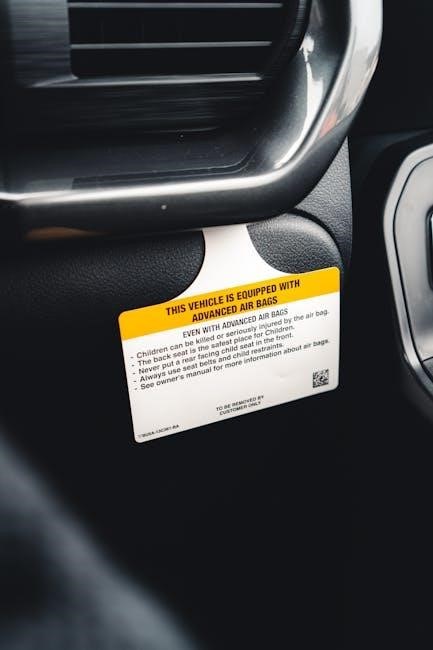
Children should continue to rear-face as long as they haven’t exceeded the seat’s height limit. The NextFit Max accommodates rear-facing children up to 40 inches in height. It’s vital to regularly check your child’s measurements against these limits to ensure they remain within the safe parameters of the car seat. Always consult the user manual for the most up-to-date and precise specifications, as these can sometimes vary slightly depending on the model.
Remember, keeping your child rear-facing for as long as possible significantly reduces the risk of injury in the event of a collision. Prioritize safety and adhere to these guidelines.
Forward-Facing Weight & Height Limits

Transitioning to forward-facing requires careful consideration of your child’s development and the car seat’s specifications. The Chicco NextFit Max allows forward-facing use for children weighing between 22 and 65 pounds. However, reaching the minimum weight isn’t the sole determinant for a safe switch.
Height is a critical factor; children must be within the car seat’s height limit, which is up to 49 inches when forward-facing. Regularly measuring your child ensures they remain safely within these boundaries. It’s essential to verify that the top of your child’s head remains below the car seat’s headrest when adjusted to the highest setting.
Always refer to the official user manual for the most accurate and current weight and height limits. Prioritizing these guidelines guarantees your child’s safety and comfort during forward-facing travel. Remember, rear-facing is the safest position for as long as possible.
Recline Positions & Adjustment
The Chicco NextFit Max offers multiple recline positions to ensure optimal comfort and safety for your child, adapting to various vehicle seats and stages of development. Adjusting the recline is crucial for achieving the correct installation angle, particularly in rear-facing mode, where a specific recline is vital for proper head and spine support.
The car seat features clearly marked recline indicators to guide you in selecting the appropriate angle. To adjust, locate the recline mechanism, typically positioned at the base of the car seat, and follow the instructions in the user manual. Ensure the car seat is firmly locked into the chosen recline position before each journey.
Regularly check the recline angle, especially after installation or adjustments, to confirm it remains within the safe range. Prioritizing correct recline contributes significantly to your child’s safety and comfort during travel.

Maintenance & Care
Regular cleaning of the car seat cover and thorough inspections for wear and tear are essential for maintaining safety and longevity of the Chicco NextFit Max.
Cleaning the Car Seat Cover
Maintaining a clean car seat is crucial for hygiene and comfort. The Chicco NextFit Max car seat cover is designed to be removable for convenient cleaning. Before washing, always detach all harness straps and the crotch strap pad. Refer to the manual for specific instructions on removing these components.
The fabric cover is typically machine washable; however, it’s vital to use a mild detergent and a gentle cycle with cold water. Avoid using bleach or harsh chemicals, as these can damage the fabric and compromise its safety features. After washing, allow the cover to air dry completely. Do not place it in a dryer, as heat can cause shrinkage or damage.
For minor spills or stains, spot cleaning with a damp cloth and mild soap is often sufficient. Ensure all soap residue is removed before reinstalling the cover. Regularly vacuuming the car seat can also help remove crumbs and debris. Always ensure the cover is completely dry before reassembling the car seat.
Inspecting for Wear and Tear
Regular inspection of your Chicco NextFit Max is vital for continued safety. Periodically examine the entire car seat, including the base, harness straps, buckle, and cover, for any signs of damage or wear. Pay close attention to areas that experience frequent use or stress.
Check the harness straps for fraying, cuts, or abrasions. Ensure the buckle operates smoothly and securely locks and unlocks correctly. Inspect the shell of the car seat for cracks or breaks. The expiration date, often found on a label, should be noted; do not use the car seat past its expiration date.
If you notice any damage, discontinue use immediately. Contact Chicco support for guidance on repair or replacement options. Even seemingly minor damage can compromise the car seat’s ability to protect your child in a crash. Prioritize safety by proactively identifying and addressing any potential issues.
Storing the User Manual
Keeping this Chicco NextFit Max manual readily accessible is crucial for future reference and ensuring proper car seat usage. Chicco thoughtfully designed a dedicated storage compartment located at the rear of the car seat base specifically for this purpose. This convenient feature ensures the manual is always with the car seat, even when traveling or transferring it between vehicles.
Always store the manual in this designated compartment after each use or adjustment. This prevents loss and guarantees you have access to vital information regarding installation, adjustments, weight limits, and safety guidelines. Do not discard the manual, as it contains essential details for the entire lifespan of the car seat.
Having the manual on hand allows you to quickly review instructions or troubleshoot any issues that may arise. It also proves invaluable when passing the car seat on to another family, ensuring they have all the necessary information for safe and correct usage.
Safety Information
Prioritize rear-facing as long as possible, and always consult your vehicle’s owner manual for compatibility and proper installation of the Chicco NextFit Max.
Vehicle Compatibility
Ensuring compatibility with your vehicle is paramount for safe car seat installation. The Chicco NextFit Max is designed to fit a wide range of vehicles; however, always verify compatibility using the Chicco Fit Guide available on their website (www.chiccousa.com). This resource provides specific information for numerous makes and models.
Crucially, the manual emphasizes that only forward-facing vehicle seats are suitable for use with this child restraint. Always refer to your vehicle owner’s manual for guidance on proper car seat installation procedures and weight limits for seatbelt usage. If any uncertainty exists, directly contact the vehicle manufacturer for assistance. Proper installation is vital for optimal protection during a collision. Remember, the back seat remains the safest location for children aged twelve and under.
Before installation, carefully review your vehicle’s manual to identify LATCH anchor points and seatbelt configurations. Incorrect installation can compromise the car seat’s effectiveness.
Importance of Rear-Facing as Long as Possible
Rear-facing is the safest position for young children, and extending the time your child spends rear-facing is strongly recommended. The Chicco NextFit Max allows for extended rear-facing use, maximizing protection during a crash. This is because rear-facing distributes crash forces more evenly across the child’s entire body, minimizing injury risk.
Keep your child rear-facing until they reach the maximum height or weight limit specified for the NextFit Max. The manual doesn’t explicitly state limits here, but emphasizes adhering to those found within the product’s specifications. Prioritize rear-facing as the back seat is statistically the safest place for children under twelve years of age.
Transitioning to forward-facing prematurely increases the risk of head and spinal injuries in a collision. Always consult the weight and height guidelines before making any changes to the car seat’s orientation.
Contacting Chicco Support
If you encounter any difficulties with the Chicco NextFit Max, or have questions regarding installation, operation, or compatibility, Chicco offers several avenues for support. For immediate assistance, refer to the comprehensive resources available on the official Chicco USA website: www.chiccousa.com. This website contains FAQs, video tutorials, and downloadable versions of the user manual.
You can also directly contact Chicco’s customer service team for personalized support. While specific contact details (phone number, email) aren’t provided in the snippets, the website is the primary resource. Ensure you have your car seat’s model number and date of manufacture readily available when contacting support.
For vehicle compatibility concerns, Chicco recommends consulting your vehicle’s owner’s manual. If uncertainty persists, contact the vehicle manufacturer directly for guidance.