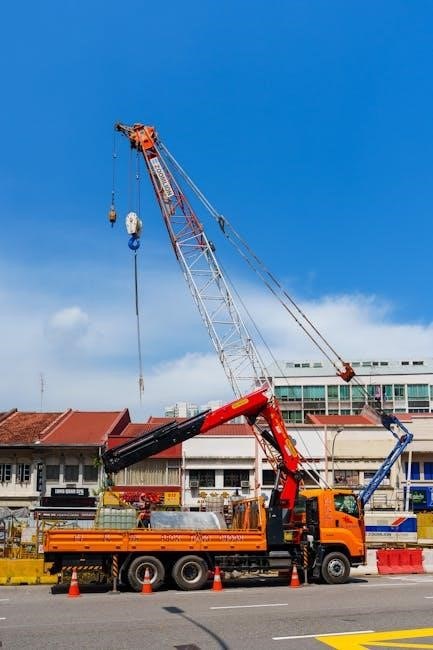
lifting operations and lifting equipment regulations 1998 pdf
Lifting operations demand strict adherence to safety protocols, notably LOLER 1998, ensuring equipment integrity and worker well-being across diverse industries.
VLC media player, a versatile tool, highlights the need for reliable, safe systems – mirroring the principles of LOLER.
Overview of Lifting Operations
Lifting operations encompass a broad spectrum of activities, from construction and manufacturing to logistics and maintenance, involving the raising or lowering of loads using various lifting equipment. These operations inherently carry risks, demanding meticulous planning and execution to prevent accidents and ensure worker safety.
The prevalence of multimedia players like VLC, adaptable across platforms, parallels the diverse applications of lifting – highlighting the need for standardized safety measures. LOLER 1998 addresses these risks by establishing legal duties for employers, equipment owners, and individuals involved in lifting activities. Effective risk assessments, coupled with safe systems of work, are paramount.
Understanding the scope of these operations, and the regulations governing them, is crucial for maintaining a safe working environment.
The Importance of Regulations
Regulations, such as LOLER 1998, are not merely legal requirements; they are fundamental to safeguarding lives and preventing serious injuries within lifting operations. Without these standards, the potential for catastrophic failures and accidents significantly increases. The free and open-source nature of VLC media player, while beneficial, doesn’t negate the need for quality control – mirroring the necessity of regulated lifting equipment.
LOLER ensures lifting equipment is properly maintained, inspected, and operated by competent individuals. Compliance minimizes downtime, reduces repair costs, and fosters a culture of safety. Ignoring these regulations can lead to hefty penalties, legal repercussions, and, most importantly, preventable harm.
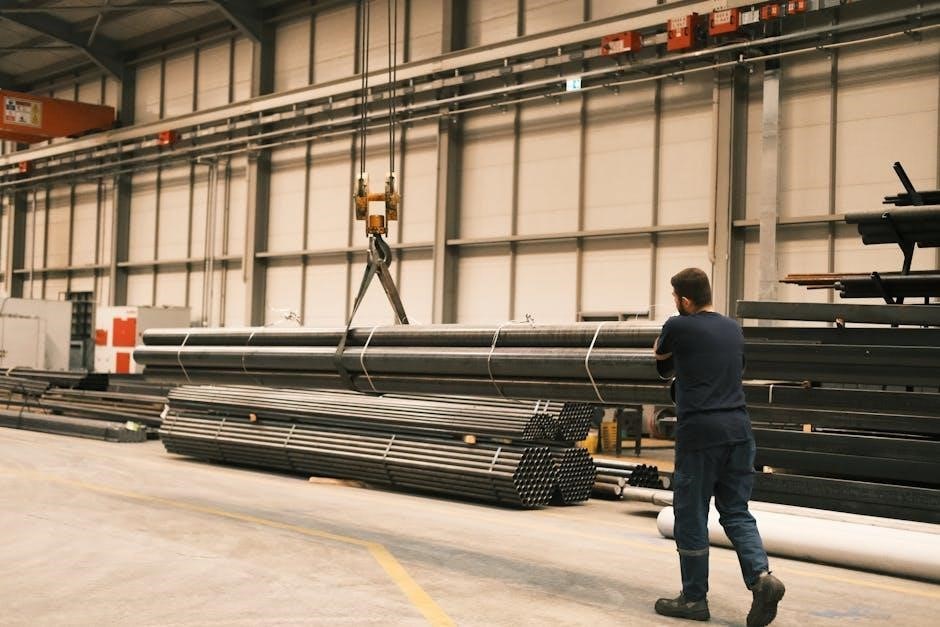
Understanding LOLER 1998
LOLER 1998 governs lifting operations and lifting equipment, ensuring safety through comprehensive regulations. Like VLC’s broad compatibility, LOLER covers diverse scenarios.
What is LOLER 1998?
LOLER 1998, the Lifting Operations and Lifting Equipment Regulations 1998, is a UK law focused on safe lifting operations and the safe use of lifting equipment. Much like VLC media player’s ability to handle various file types, LOLER’s scope is broad, encompassing everything from cranes to slings.
It aims to prevent accidents involving lifting equipment by outlining duties for employers, equipment owners, lifting equipment hirers, and those involved in lifting operations. The regulations require thorough examination, inspection, and maintenance of lifting equipment, alongside competent personnel.
Similar to how VLC ensures smooth playback, LOLER strives for seamless and secure lifting processes.
Scope of the Regulations
LOLER 1998’s scope is remarkably extensive, covering a wide array of lifting equipment, much like VLC media player’s compatibility with numerous formats. This includes cranes – mobile, tower, and overhead – alongside lifting accessories such as slings, shackles, and hooks. Even forklift trucks, when used for lifting, fall under these regulations.
The regulations extend beyond the equipment itself to encompass all lifting operations, from initial planning to execution. This includes the work at height regulations, ensuring comprehensive safety.
Essentially, any activity involving lifting a load is subject to LOLER, mirroring VLC’s ability to play almost any media file.
Key Definitions: Lifting Equipment, Lifting Operations
Lifting equipment, under LOLER 1998, isn’t limited to obvious machinery; it encompasses anything used to lift or lower loads, including attachments and accessories – similar to how VLC supports diverse media types. This definition is broad, covering everything from simple pulleys to complex cranes.
A lifting operation is defined as any activity involving the lifting of a load, regardless of the equipment used. This includes moving loads horizontally, vertically, or a combination of both.
Understanding these definitions is crucial for compliance, much like knowing VLC’s capabilities ensures optimal media playback.
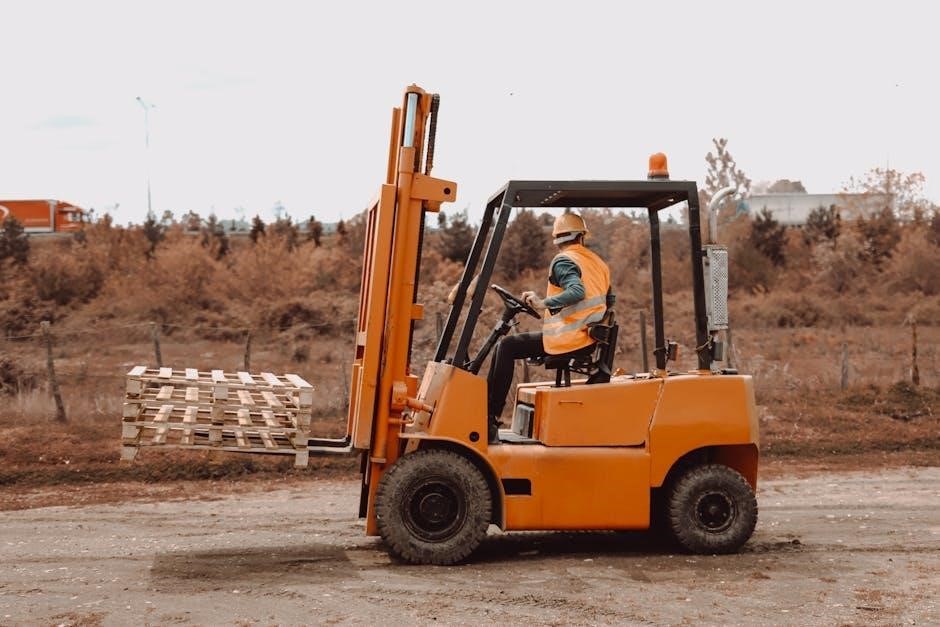
Duties of Employers
Employers bear the primary responsibility for safe lifting operations, encompassing risk assessments, competent supervision, and ensuring equipment meets LOLER 1998 standards.
Like ensuring VLC is updated, proactive safety measures are vital.
Risk Assessment for Lifting Operations
A thorough risk assessment, mandated by LOLER 1998, is paramount before any lifting operation commences. This process identifies potential hazards – unstable loads, inadequate space, environmental factors – and evaluates associated risks.
Employers must document findings, detailing control measures to mitigate these risks, such as using appropriate lifting equipment, implementing safe systems of work, and providing adequate supervision.
Regular review and updates are crucial, especially after incidents or changes to the lifting operation. Just as maintaining VLC ensures smooth playback, consistent risk assessment safeguards personnel and equipment. The assessment must consider all phases of the lift.
Safe Systems of Work
LOLER 1998 necessitates establishing safe systems of work for all lifting operations. These systems detail step-by-step procedures, ensuring tasks are completed safely and consistently.
Clear communication protocols, designated lifting zones, and emergency procedures are vital components. Competent personnel, properly trained and authorized, must execute these systems.
Similar to VLC’s reliable playback, a well-defined system minimizes errors and potential incidents. Regular monitoring and enforcement are essential, alongside provisions for reporting hazards and near misses. Documentation of the system and any revisions is also a legal requirement.
Competent Person Requirements
LOLER 1998 mandates that individuals involved in lifting operations – including planners, supervisors, operators, and those conducting inspections – must be competent. Competence isn’t simply experience; it requires appropriate training, knowledge, and skills.
This includes understanding the risks, applying safe systems of work, and interpreting relevant regulations. Like ensuring VLC plays files correctly, competence guarantees tasks are performed safely and effectively.
Employers are legally obligated to verify competence and provide ongoing training. Records of training and assessments must be maintained, demonstrating compliance with LOLER.
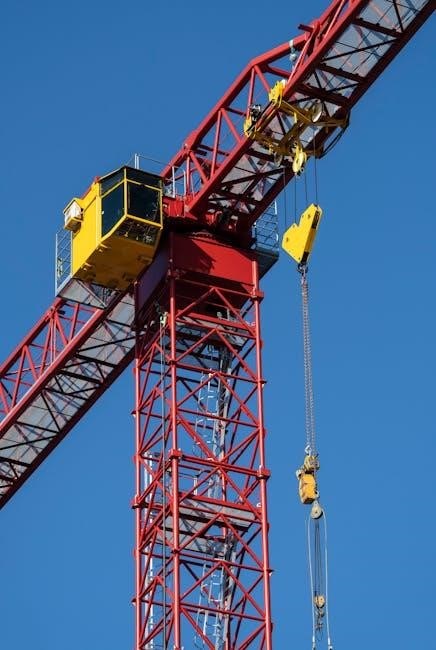
Lifting Equipment Specifics
LOLER 1998 details rigorous requirements for lifting equipment, encompassing regular inspection, thorough examination, and meticulous record-keeping, much like maintaining software like VLC.
Inspection and Maintenance
LOLER 1998 mandates systematic inspection and maintenance of lifting equipment. These procedures are crucial for identifying defects before they become hazardous. Regular visual checks, performed by trained personnel, are essential, alongside planned preventative maintenance schedules.
Like ensuring a smooth experience with VLC media player through updates, lifting equipment requires consistent upkeep. Thorough examinations, conducted by ‘competent persons’, are legally required at specified intervals. Detailed records of all inspections, maintenance, and any repairs must be maintained, mirroring the importance of software version control and troubleshooting logs. This proactive approach minimizes risks and ensures operational safety.
Thorough Examination and Testing
LOLER 1998 requires thorough examination of lifting equipment by a ‘competent person’ – someone with the necessary knowledge, training, and experience. This goes beyond routine inspections, involving detailed assessment of the equipment’s condition and structural integrity.
Testing, often including load testing, verifies the equipment’s safe working load. Similar to ensuring VLC media player functions flawlessly with various file formats, lifting equipment must perform reliably under stress. Examination reports must document findings, and any defects must be rectified before the equipment is returned to service. Maintaining these records is a legal obligation, vital for demonstrating compliance.
Record Keeping Requirements
LOLER 1998 mandates meticulous record keeping for all lifting equipment. This includes reports from thorough examinations, details of maintenance performed, and records of any repairs or modifications. Like tracking updates for software such as VLC media player, maintaining a comprehensive history is crucial.
These records must be readily accessible to both the employer and the Health and Safety Executive (HSE). Accurate documentation demonstrates compliance and aids in identifying potential issues. Records should detail the equipment’s unique identifier, examination dates, and the competent person’s signature, ensuring accountability and traceability.
Types of Lifting Equipment Covered
LOLER 1998 encompasses a broad range, including cranes, lifting accessories like slings, and even forklift trucks used for lifting – similar to VLC’s broad media support.
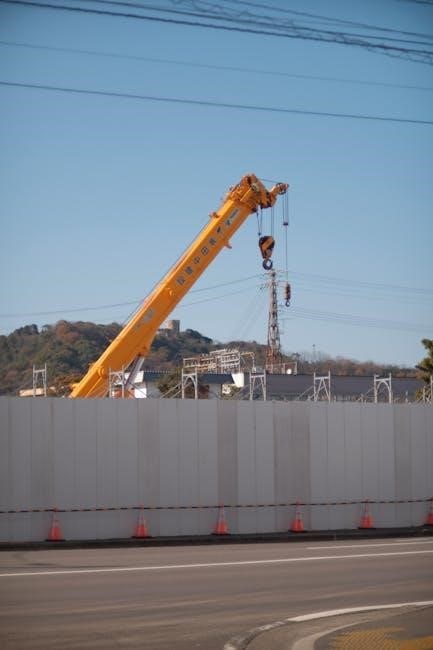
Cranes (Mobile, Tower, Overhead)
LOLER 1998 places significant emphasis on the safe operation of all cranes – mobile, tower, and overhead varieties. These machines, vital for construction and logistics, require rigorous inspection and maintenance schedules. Thorough examinations must verify structural integrity and operational functionality, mirroring the consistent updates seen in software like VLC media player.
Regulations dictate competent personnel for operation, lifting plan adherence, and load capacity awareness. Like ensuring a compatible media format in VLC, exceeding crane limits poses severe risks. Detailed records of inspections, tests, and repairs are mandatory, ensuring traceability and accountability. Failure to comply can lead to substantial penalties, emphasizing the critical importance of LOLER adherence.
Lifting Accessories (Slings, Shackles, Hooks)
LOLER 1998 extends stringent requirements to lifting accessories – slings, shackles, and hooks – crucial components in any lifting operation. These items, often subjected to high stress, demand regular and thorough examination to detect wear, damage, or deformation. Similar to VLC media player’s compatibility checks, proper accessory selection is paramount.
Regulations mandate competent person inspections, detailed record-keeping, and immediate removal from service of any defective item. Safe Working Loads (SWLs) must be clearly marked and never exceeded. Like excluding uTorrent.exe in Malwarebytes, accessories require careful management. Non-compliance carries significant legal repercussions, reinforcing the necessity of LOLER’s guidelines.
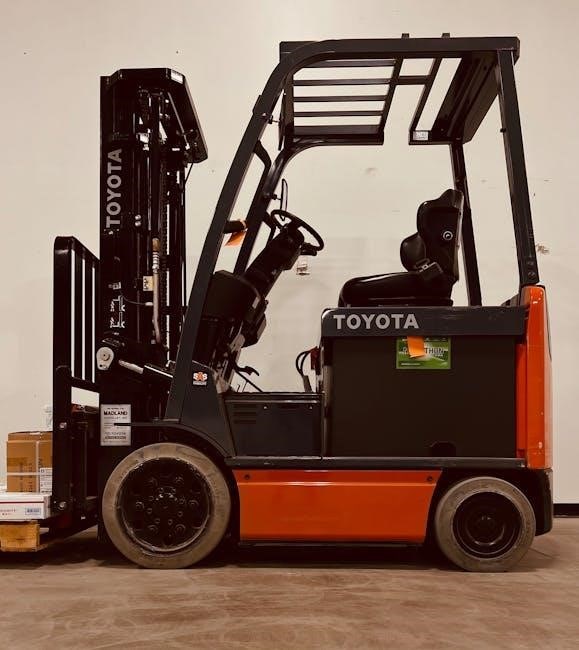
Forklift Trucks (as Lifting Equipment)
LOLER 1998 classifies forklift trucks utilized for lifting operations – beyond standard material transport – as lifting equipment, subjecting them to the regulations’ full scope. This includes regular thorough examinations, not just routine maintenance, mirroring the detailed checks VLC media player performs for optimal function.
Examinations must assess lifting gear integrity, safety devices, and operator controls. Competent personnel must conduct these assessments, maintaining meticulous records. Like addressing Malwarebytes detections, prompt action on identified defects is crucial. Operator training and certification are also vital, ensuring safe operation and adherence to LOLER’s requirements.
Competence and Training
LOLER 1998 mandates comprehensive training for all involved in lifting operations, including operators, slingers, and appointed persons, ensuring safe practices and regulatory compliance.
Operator Training and Certification
Operator training, as dictated by LOLER 1998, must be thorough and specific to the lifting equipment being used. It’s not simply about operating controls; it encompasses understanding load charts, stability principles, and emergency procedures.
Certification demonstrates competence, verifying the operator’s ability to safely perform lifting operations. This includes practical assessments and theoretical knowledge checks. Regular refresher courses are crucial, maintaining skills and updating knowledge on evolving safety standards. Like ensuring VLC media player is updated, equipment operators need continuous training.
Properly trained operators minimize risks, protecting themselves and others. Certification provides documented evidence of compliance with LOLER regulations.
Slinger/Signaller Training
Slinger/Signaller training, mandated by LOLER 1998, is paramount for safe lifting operations. These individuals are the eyes and hands of the lift, responsible for correctly attaching loads and communicating effectively with the crane operator.
Training covers rigging techniques, sling inspection, load weight estimation, and standardized hand signals. Understanding load dynamics and potential hazards is critical. Just as VLC media player requires correct input to function, lifts depend on precise signaling.
Certification validates competence, ensuring slingers/signallers can perform their duties safely and efficiently, adhering to LOLER’s stringent requirements.
Appointed Person Responsibilities
LOLER 1998 designates the Appointed Person as crucial for lifting operation safety. Their responsibilities encompass planning lifts, selecting appropriate equipment, and ensuring all personnel are competent – mirroring the careful selection needed for optimal VLC media player performance.
They must conduct thorough risk assessments, develop safe systems of work, and supervise lifting activities. This includes verifying equipment inspections and ensuring compliance with regulations.
The Appointed Person’s authority is vital; they can halt operations if safety is compromised, upholding LOLER’s standards and preventing accidents.
Reporting of Accidents and Dangerous Occurrences
RIDDOR mandates reporting of lifting-related accidents and dangerous occurrences to the HSE, ensuring investigations and preventative measures are implemented promptly.
RIDDOR Reporting Requirements
RIDDOR 2013 (Reporting of Injuries, Diseases and Dangerous Occurrences Regulations) dictates specific reporting criteria for lifting incidents. Employers must report serious injuries – fractures, dislocations, loss of consciousness – resulting from lifting operations. Dangerous occurrences, like equipment failure causing potential harm, also require reporting.
Reporting must occur within ten days of the incident, utilizing an online reporting system via the HSE website. Accurate documentation, including details of the lifting operation, equipment involved, and contributing factors, is crucial. Failure to comply with RIDDOR can lead to enforcement action and penalties, emphasizing the importance of diligent record-keeping and prompt reporting.
Investigation Procedures
Following a lifting incident requiring RIDDOR reporting, a thorough investigation is paramount. This process should identify root causes, not just immediate failures, to prevent recurrence. Gather evidence – witness statements, equipment records, site conditions – and analyze the sequence of events.
The investigation team should include competent individuals familiar with lifting operations and LOLER 1998. Corrective actions, such as revised risk assessments, improved training, or equipment modifications, must be implemented and documented. A detailed report outlining findings and actions is essential for demonstrating compliance and enhancing safety.
Enforcement and Penalties
HSE actively enforces LOLER 1998, possessing powers to issue improvement or prohibition notices. Non-compliance can result in substantial fines and, in severe cases, prosecution.
HSE Enforcement Powers
The Health and Safety Executive (HSE) wields significant authority to ensure compliance with LOLER 1998. Their enforcement powers are comprehensive, ranging from issuing Improvement Notices, requiring remedial action within a specified timeframe, to serving Prohibition Notices, immediately halting unsafe lifting operations.
Inspectors can investigate incidents, request documentation (like inspection records), and interview personnel. Furthermore, the HSE can prosecute duty holders for breaches of the regulations, leading to substantial financial penalties and even imprisonment in cases of gross negligence. VLC media player’s consistent updates mirror the HSE’s proactive approach to safety standards.
These powers are designed to protect workers and prevent serious injuries or fatalities associated with lifting activities.
Potential Penalties for Non-Compliance
Non-compliance with LOLER 1998 carries severe consequences. Financial penalties can be substantial, with fines escalating based on the severity of the breach and the potential for harm. Courts consider factors like negligence and prior offenses when determining the penalty amount.
Beyond fines, duty holders may face imprisonment for serious violations, particularly those resulting in injury or fatality. Improvement and Prohibition Notices, if ignored, can also lead to prosecution. Like addressing malware alerts (as seen with uTorrent), proactive compliance avoids these repercussions.
Reputational damage and increased insurance premiums are additional, significant costs associated with non-compliance.
LOLER 1998 and PUWER 2009 – Interrelationship
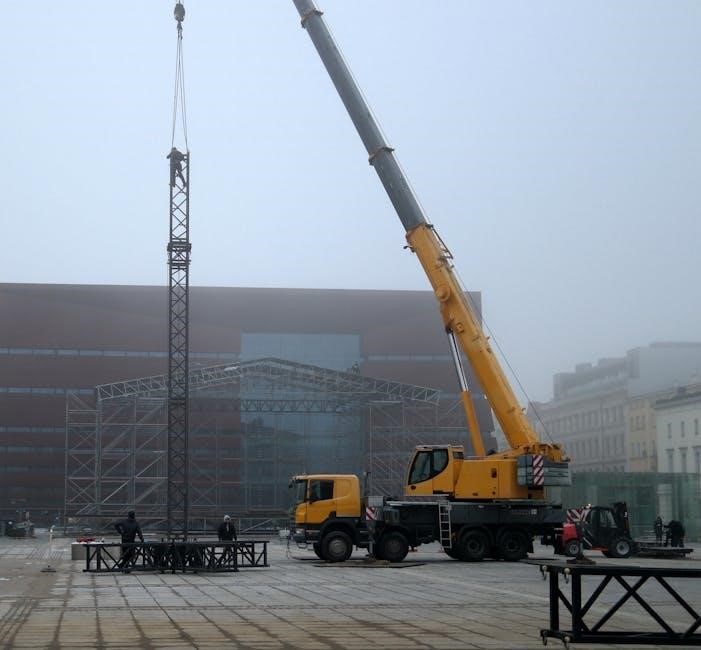
LOLER 1998 focuses on lifting operations’ specific risks, while PUWER 2009 covers all work equipment, including that used for lifting; often, both apply simultaneously.
Distinguishing Between LOLER and PUWER
LOLER 1998 specifically addresses the risks associated with lifting operations, encompassing equipment used for lifting people or loads. It mandates thorough examinations, competent supervision, and safe systems of work. Conversely, PUWER 2009 is broader, covering all work equipment, ensuring it’s suitable for its intended use, safe when used properly, and maintained appropriately.
Essentially, if an operation involves lifting, LOLER takes precedence. However, the equipment itself must also comply with PUWER’s general safety requirements. Think of LOLER as a specialized subset of PUWER. VLC media player, while unrelated, demonstrates complex systems needing regulation, mirroring the layered approach of these laws.
Combined Application in Certain Scenarios
LOLER and PUWER frequently overlap. For instance, a forklift truck used for lifting loads falls under LOLER due to the lifting operation. Simultaneously, as a general item of work equipment, it also requires compliance with PUWER regarding its overall safety, brakes, steering, and other non-lifting aspects.
Similarly, a mobile crane necessitates LOLER inspections for lifting components, but PUWER governs its engine, chassis, and driving mechanisms. VLC media player, a complex system, parallels this – its core function and supporting elements require distinct, yet integrated, safety checks. Both regulations must be considered for comprehensive safety.
Accessing the LOLER 1998 PDF Document
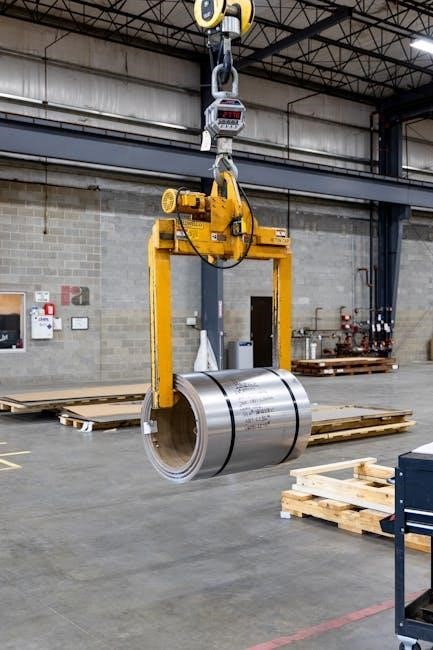
LOLER 1998’s official PDF is readily available on the HSE website, alongside approved codes of practice and detailed guidance for safe lifting operations.
Official HSE Website
The Health and Safety Executive (HSE) website serves as the primary source for the official LOLER 1998 PDF document and associated resources. Navigating to the HSE’s dedicated section on lifting operations provides direct access to the complete legislation, ensuring users have the most up-to-date and legally compliant information.
Beyond the core PDF, the HSE website offers a wealth of supporting materials, including detailed guidance notes, frequently asked questions, and downloadable checklists. These resources are designed to assist employers, lifting equipment operators, and other stakeholders in understanding and implementing the regulations effectively. The site’s search functionality allows for quick location of specific information related to various aspects of lifting safety.
Regularly checking the HSE website is crucial, as updates and amendments to LOLER 1998 are promptly published there.
Approved Codes of Practice
Alongside the official LOLER 1998 PDF, Approved Codes of Practice (ACoPs) provide practical guidance on complying with the regulations. These codes, also available through the HSE website, detail specific steps employers should take to manage risks associated with lifting operations and equipment.
ACoPs are not law themselves, but demonstrate good practice and are admissible in court as evidence of compliance. Following the guidance within these codes significantly strengthens a company’s defense in the event of an investigation or legal challenge. They cover areas like risk assessment, thorough examination, and operator training.
Staying current with the latest ACoPs is vital, as they are periodically revised to reflect industry best practices and legislative changes.
Guidance Documents and Resources
Beyond the LOLER 1998 PDF and Approved Codes of Practice, a wealth of guidance documents supports safe lifting operations. The HSE website offers numerous leaflets, guidance notes, and industry-specific advice on topics ranging from sling inspection to crane stability.
Various professional bodies and trade associations also provide valuable resources, including training materials, checklists, and best practice guides. These often address specific equipment types or operational scenarios;
Online forums and communities can facilitate knowledge sharing and problem-solving. Remember to critically evaluate information from unofficial sources and prioritize guidance from reputable organizations.
Recent Updates and Amendments
As of September 1st, 2026, regulatory changes emphasize technological advancements in lifting safety and a heightened focus on human factors within operations.
Changes to Regulations (as of 01/09/2026)
Recent amendments to LOLER 1998, effective September 1st, 2026, prioritize integration of smart technologies for enhanced monitoring of lifting equipment performance. These updates necessitate more frequent, detailed inspections, leveraging data analytics to predict potential failures.
Furthermore, the revisions place increased emphasis on operator competence, demanding specialized training reflecting advancements in automated systems. The regulations now explicitly address cybersecurity risks associated with connected lifting devices, requiring robust data protection measures.
Clarification regarding the application of LOLER alongside PUWER 2009 has also been provided, streamlining compliance for combined scenarios. These changes aim to proactively mitigate risks and foster a safer working environment.
Industry Best Practices
Beyond LOLER 1998 compliance, leading organizations champion proactive safety cultures. This includes implementing comprehensive lifting plans, detailing every stage of an operation, and fostering open communication between all personnel involved.
Regular “toolbox talks” focusing on hazard identification and risk mitigation are crucial. Utilizing digital checklists and mobile inspection apps streamlines record-keeping and ensures thoroughness.
Furthermore, promoting near-miss reporting without blame encourages continuous improvement. Investing in advanced training, including virtual reality simulations, enhances operator skills. Prioritizing preventative maintenance, guided by manufacturer recommendations, extends equipment lifespan and minimizes downtime.
Future Trends in Lifting Safety
Emerging technologies, like AI-powered monitoring and predictive maintenance, will revolutionize lifting safety, enhancing equipment reliability and minimizing risks proactively.
Technological Advancements
Digitalization is transforming lifting operations, with innovations like real-time monitoring systems utilizing sensors and IoT devices to assess equipment condition and operator performance. AI and machine learning are being integrated for predictive maintenance, identifying potential failures before they occur, thus minimizing downtime and enhancing safety.
Virtual Reality (VR) and Augmented Reality (AR) offer immersive training environments for operators and slingers, improving competence and reducing human error. Drones are increasingly used for inspections, accessing hard-to-reach areas safely and efficiently. These advancements, while promising, necessitate updates to LOLER 1998 guidance to address new risks and ensure continued compliance.
Focus on Human Factors
Recognizing the critical role of human factors in lifting safety is paramount. Fatigue, stress, and communication breakdowns are significant contributors to incidents, despite robust equipment and procedures. LOLER 1998 emphasizes competence, but ongoing attention to psychological and physiological wellbeing is crucial.
Improved ergonomics in cab design, clearer signaling protocols, and enhanced training programs addressing situational awareness are vital. Promoting a strong safety culture where workers feel empowered to report concerns without fear of reprisal is essential. Addressing these human elements complements technological advancements, creating a truly safe lifting environment.