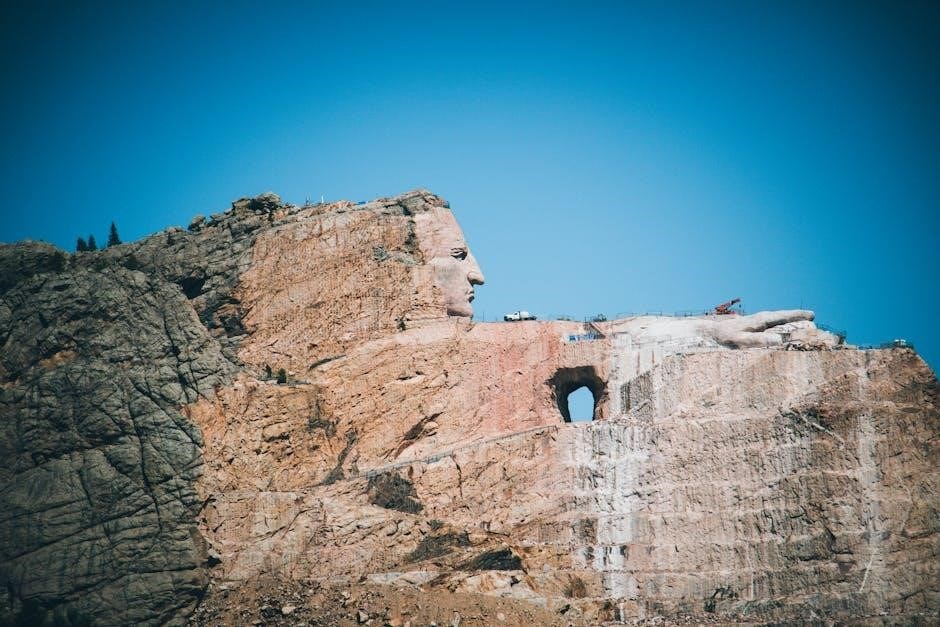
native american indian spirit guide
Native American Indian spirit guides represent profound connections to the natural world, offering wisdom and protection through messengers appearing in dreams and daily life.
What are Native American Spirit Guides?
Native American spirit guides are believed to be entities – often animals, but sometimes ancestors or other beings – that offer guidance, protection, and insight to individuals. They act as messengers from the spirit world, communicating through dreams, visions, and synchronicities.
These guides aren’t deities to be worshipped, but rather allies on a spiritual journey. They reflect aspects of one’s personality or offer lessons needed for growth. Tribes traditionally view these connections as deeply personal and sacred, often tied to clan affiliations or birth timing, resembling a Zodiac-like system;
The Historical Context of Spirit Guides
Spirit guides have been integral to Native American cultures for millennia, predating European contact. Historically, these beliefs were woven into the fabric of daily life, influencing hunting practices, healing ceremonies, and social structures.
Animal spirits were often associated with specific clans or tribes, acting as totems representing shared ancestry and identity. Stories and legends, like those of “Mooin, the Bears Child,” demonstrate the deep reverence for animal spirits and their role in transmitting medicine and sacred knowledge to the people.
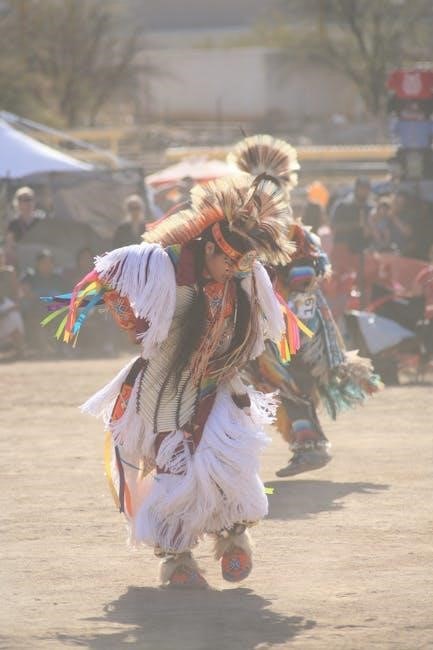
Understanding the Role of Animals as Spirit Guides
Animals embody powerful energies and serve as vital intermediaries between the human and spirit realms, offering guidance and reflecting personal characteristics.
The Significance of Animals in Native American Cultures
Throughout Native American traditions, animals aren’t merely seen as creatures, but as sacred beings possessing unique spiritual power and wisdom. They are deeply interwoven into the fabric of cosmology, storytelling, and daily life, representing essential lessons and embodying ancestral spirits.
Many tribes believe animals possess medicine – healing abilities or specific gifts – and can act as guides, protectors, or teachers. This reverence stems from a profound respect for the interconnectedness of all living things and a recognition of the animal world’s inherent intelligence and spiritual depth.
Common Animal Spirit Guides and Their Meanings
Certain animals frequently appear as spirit guides across various Native American cultures, each carrying distinct symbolism. The Bear embodies strength, courage, and grounding, often linked to healing and introspection. The majestic Eagle signifies vision, freedom, and a connection to the divine, representing higher perspectives.
Wolves symbolize loyalty, intuition, and family, while the trickster Coyote teaches adaptability, humor, and the importance of challenging norms. These are just a few examples; the specific meaning varies by tribe and individual experience.
Bear as a Spirit Guide
The Bear holds a powerful position in Native American spirituality, often seen as a keeper of medicine and a symbol of profound inner strength. Legends, like “How Bear Became Keeper of the Medicines,” illustrate this sacred role. Bear guides offer protection, courage, and grounding, encouraging introspection and self-awareness.
Dreams of Bears can signify a need for solitude and healing, or a call to embrace your primal instincts. The “Boy That Almost Turned Into A Bear” stories highlight the deep connection between humans and this powerful animal spirit.
Eagle as a Spirit Guide
The Eagle soars as a messenger between the earthly and spiritual realms in many Native American traditions, embodying freedom, vision, and courage. Its feathers are considered sacred, used in ceremonies for purification and prayer. An Eagle spirit guide signifies a broadened perspective and a connection to divine wisdom.
Seeing an Eagle often indicates an upcoming opportunity for spiritual growth or a call to rise above challenges. It encourages clarity of vision and the courage to pursue your highest potential, offering powerful protection;
Wolf as a Spirit Guide
The Wolf is a powerful symbol of loyalty, family, and intuition within Native American cultures, often representing a deep connection to one’s instincts. It embodies both fierce independence and strong communal bonds, teaching valuable lessons about navigating life’s complexities.
As a spirit guide, the Wolf encourages introspection and trust in your inner wisdom. It signifies a time for heightened awareness and the courage to embrace your true path, offering guidance through challenging terrain.
Coyote as a Spirit Guide
Coyote, often a trickster figure in Native American lore, embodies intelligence, adaptability, and a playful approach to life’s lessons. While sometimes mischievous, Coyote’s guidance encourages embracing change and finding humor even in difficult situations.
As a spirit animal, Coyote challenges rigid thinking and invites you to explore unconventional paths. It signifies a time for creativity, self-discovery, and learning through experience, reminding you not to take life too seriously;
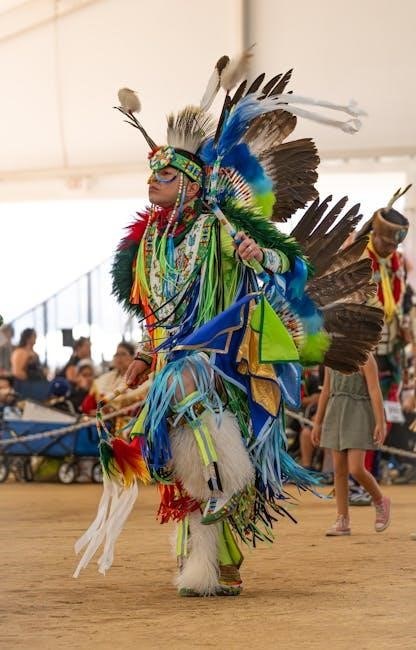
How Spirit Guides Communicate
Spirit guides communicate through various channels, including vivid dreams and visions, meaningful signs and synchronicities, and profound experiences during meditation and shamanic journeying.
Dreams and Visions
Dreams and visions are considered potent pathways for communication with spirit guides in many Native American traditions. These experiences aren’t merely random neurological events, but rather deliberate messages from the spirit world, offering guidance and insight.
Often, these visions manifest as symbolic imagery, requiring careful interpretation to understand their deeper meaning. Animals frequently appear in these dreams, acting as messengers or embodying specific qualities the guide wishes to impart. Paying close attention to the details – the animal’s behavior, the surrounding environment – is crucial for deciphering the message.
Visions can also occur during waking hours, appearing as fleeting images or powerful intuitive feelings.
Signs and Synchronicities
Spirit guides often communicate through subtle signs and meaningful synchronicities in everyday life. These aren’t coincidences, but deliberate nudges from the spirit world designed to capture your attention and offer direction. Repeatedly encountering a specific animal, number, or symbol can be a powerful indicator of a guide’s presence.
Pay attention to unexpected events, chance encounters, and recurring themes. These synchronicities often align with questions you’ve been pondering or challenges you’re facing. Recognizing these signs requires heightened awareness and an open mind, trusting that the universe is communicating with you.
Meditation and Shamanic Journeying
Meditation and shamanic journeying are powerful techniques for directly connecting with Native American spirit guides. Through focused intention and altered states of consciousness, individuals can enter the spirit world to seek guidance and healing. Shamanic journeying often involves drumming, rattling, or other rhythmic practices to induce a trance-like state.
During these journeys, one might encounter their spirit guides in symbolic form, receiving messages, visions, or energetic healing. Regular practice deepens the connection, fostering a reciprocal relationship built on trust and respect.
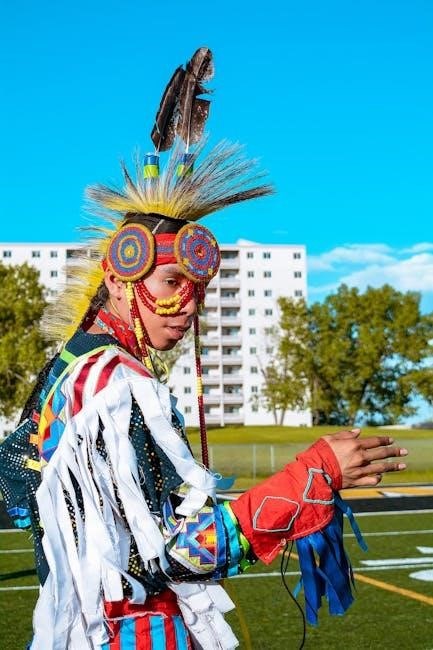
The Concept of Totems
Totems, in Native American traditions, are spirit beings or symbols representing a tribe, clan, family, or individual, offering a sacred, ancestral connection.
Totems: Tribe, Clan, and Individual Connection
Totems deeply intertwine with the social structure of many Native American cultures, extending beyond mere symbolism. A tribe might adopt a totem representing shared origins and collective identity, fostering unity and purpose.
Within tribes, clans often possess unique totems, signifying lineage and specific responsibilities. Individuals, too, can forge personal connections with totems, sometimes determined by birth timing, mirroring a Zodiac-like system.
These totems aren’t simply emblems; they embody spiritual power, offering guidance, protection, and a tangible link to ancestral wisdom, reinforcing a harmonious relationship with the spirit world.
Birth Totems and Zodiac-Like Systems
Many Native American tribes utilized systems akin to the Western Zodiac, assigning animals based on an individual’s birth date. These “birth totems” weren’t predetermined fate, but rather indicators of inherent characteristics and life paths.
The assigned animal spirit would accompany a person throughout their life, influencing personality traits and offering guidance. This system fostered a deep understanding of self and one’s place within the natural order.
Discovering one’s birth totem provided insight into strengths, weaknesses, and potential challenges, promoting self-awareness and spiritual growth.
Spirit Animals vs. Totems: Distinguishing the Concepts
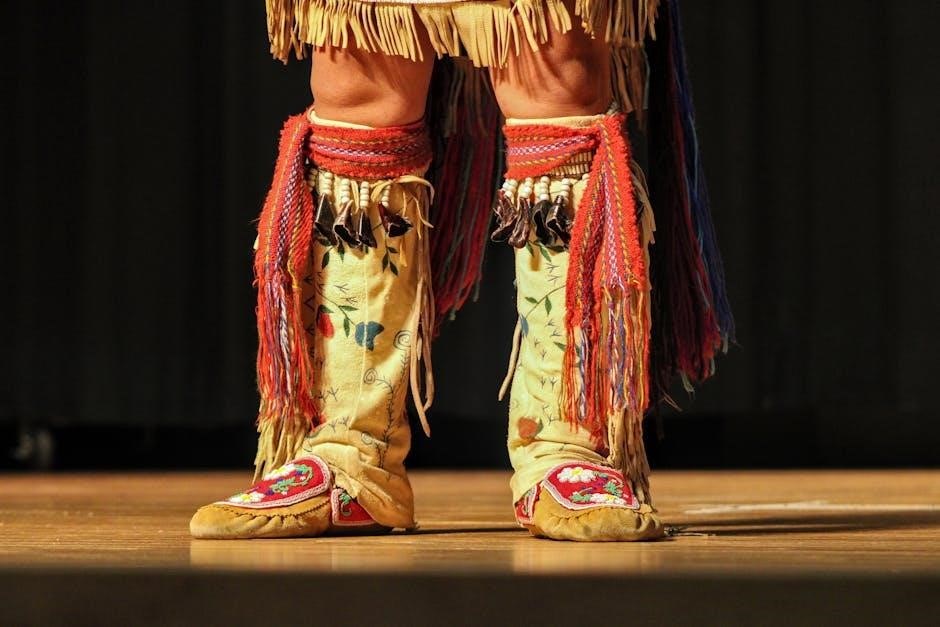
Totems represent ancestral ties, while spirit animals are personal guides appearing dynamically. Terminology requires cultural sensitivity, respecting Indigenous perspectives on these sacred connections.
The Nuances of Terminology
The terms “spirit animal” and “totem” are often used interchangeably, yet hold distinct meanings within Native American traditions. Discussions on Reddit’s r/AskAnthropology highlight that “spirit animal” can be considered a closed cultural term, particularly regarding specific ritual practices. A totem embodies a deeper, ancestral connection—a spirit being representing a tribe, clan, or family.
Conversely, a spirit animal is a personal guide offering insight and protection. Understanding these nuances is crucial for respectful engagement, avoiding appropriation, and acknowledging the sacredness inherent in these beliefs. Careful consideration of language honors Indigenous knowledge systems.
Cultural Sensitivity and Respect
Approaching Native American spirituality demands profound respect and awareness. The term “spirit animal,” as noted on Reddit, is often viewed as culturally closed, emphasizing the importance of avoiding appropriation. Recognizing the sacredness of these traditions means acknowledging they aren’t universal concepts for casual adoption.
Prioritize learning directly from Indigenous sources and organizations. Honor the protocols and teachings of specific tribes, understanding that beliefs vary greatly. Genuine engagement requires humility, a willingness to listen, and a commitment to ethical exploration.
Finding Your Spirit Guide
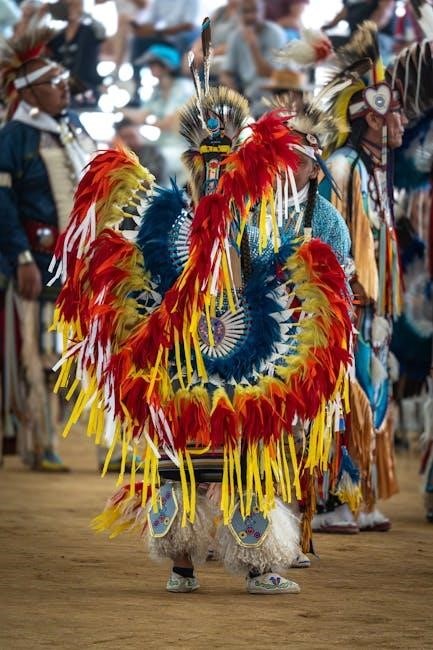
Discovering your guide involves deep self-reflection and connecting with nature, mirroring the Native American tradition of seeking insight through introspection and the natural world.
Self-Reflection and Introspection
Embarking on a journey of self-discovery is paramount. Quiet the mind through meditation, journaling, or simply spending time in solitude. Consider your inherent strengths, weaknesses, and life patterns.
What animals have consistently appeared in your life, dreams, or thoughts? Reflect on personal symbolism – what does each animal mean to you, beyond cultural definitions?
Native American traditions emphasize observing inner landscapes. Honest introspection reveals clues about the spirit guide resonating with your soul’s purpose and life’s journey.
Connecting with Nature
Deepening your bond with the natural world is essential. Spend time outdoors – in forests, by rivers, or under the open sky – with mindful awareness. Observe animal behavior, plant life, and the elements.
Native American spirituality views all creation as interconnected. Pay attention to animals that repeatedly cross your path or capture your attention.
Offer gratitude for the gifts of nature and approach the environment with respect. This openness creates space for spirit guides to reveal themselves through natural signs.
The Importance of Respect and Reciprocity
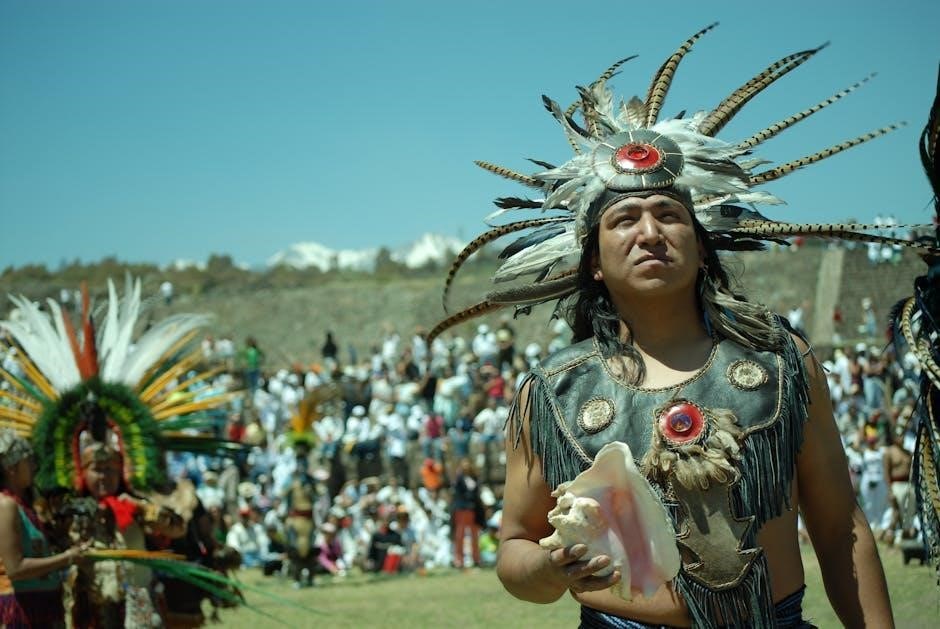
Honoring the spirit world and practicing reciprocity are vital; acknowledge the gifts received from guides and offer gratitude in return for their guidance.
Honoring the Spirit World
Deep respect for the spirit world is foundational in Native American traditions. This involves acknowledging that spirit guides are not possessions, but powerful entities deserving reverence. Practices like offering tobacco, performing ceremonies, and maintaining a mindful connection with nature demonstrate this honor.
It’s crucial to approach interactions with spirit guides with humility and a genuine desire to learn, rather than seeking control or exploitation. Recognizing the sacredness of these relationships fosters a harmonious exchange of energy and wisdom, strengthening the bond between the human and spirit realms.
Ethical Considerations
Navigating Native American spirituality requires mindful ethical practice. Cultural appropriation is a serious concern; avoid casually adopting practices without understanding their origins and significance. Respect the closed nature of certain rituals, as highlighted by Lakota and Ojibwe perspectives.
Prioritize learning from Indigenous sources, rather than appropriating of Indigenous traditions. Genuine engagement involves acknowledging the historical context and seeking guidance from knowledgeable community members, ensuring respectful and reciprocal interactions with the spirit world.
Spirit Guides and Healing
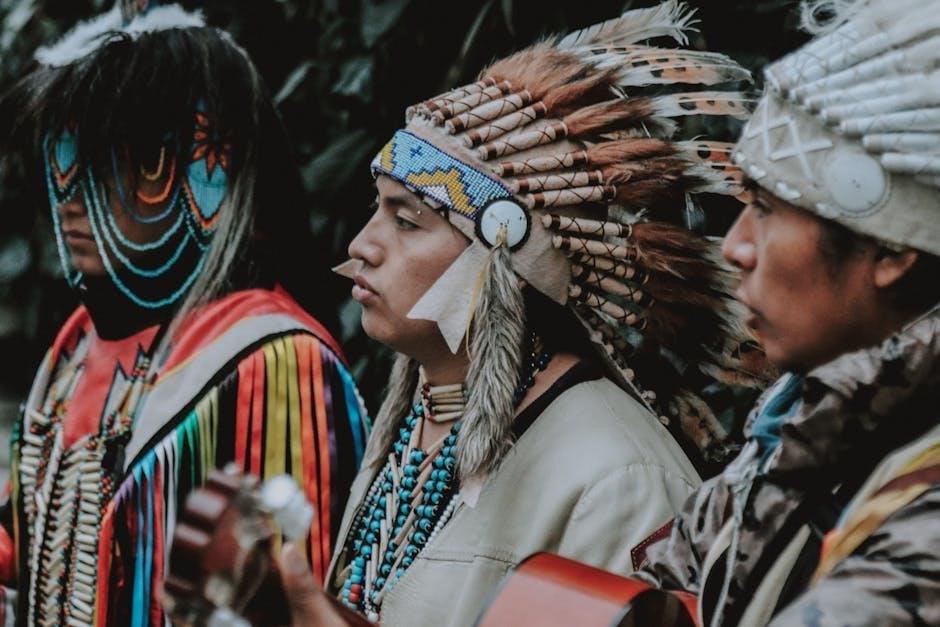
Spirit guides, or medicine animals, offer healing through sacred songs and guidance, providing protection and insight on the path to wellness and balance.
Medicine Animals and Sacred Songs
Within Native American traditions, certain spirit animals are recognized as “medicine animals,” possessing unique healing powers and offering specific gifts to those they guide. These animals aren’t merely symbols; they are believed to actively bring medicine – whether physical, emotional, or spiritual – to individuals and communities.
Sacred songs often play a crucial role in connecting with these medicine animals. These songs, passed down through generations, are considered pathways to the spirit world, invoking the animal’s energy and facilitating healing. The songs aren’t simply melodies, but powerful invocations that honor the animal and request its assistance.
Guidance and Protection
Native American spirit guides offer continuous guidance and protection to those open to receiving it. They act as unseen allies, navigating individuals through life’s challenges and illuminating paths toward purpose and fulfillment. This guidance isn’t always direct; it often manifests as intuition, synchronicities, or recurring signs.
Protection from these guides extends beyond physical safety, encompassing emotional and spiritual well-being. They help shield individuals from negative energies, offering strength and resilience in times of adversity. Recognizing and honoring these spirit allies fosters a deeper connection to the spirit world.
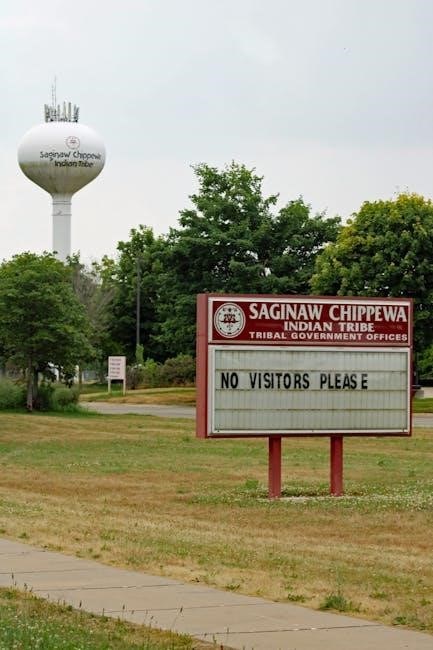
The Controversy Surrounding “Spirit Animal” Terminology
The term “spirit animal” faces criticism for cultural appropriation, as it diminishes sacred Indigenous practices and beliefs surrounding deeply respected spirit guides.
Cultural Appropriation Concerns
The widespread adoption of the term “spirit animal” by non-Indigenous communities raises significant concerns regarding cultural appropriation. Indigenous perspectives, particularly from Lakota and Ojibwe communities, highlight that specific rituals and the term itself are considered closed cultural practices.
Using this terminology without understanding or respecting its origins trivializes deeply held spiritual beliefs and can be deeply offensive; It disconnects the concept from its sacred context, reducing it to a trendy New Age idea.
Responsible engagement requires acknowledging the source and avoiding the uninvited use of culturally specific terms, honoring the traditions from which they originate.
Indigenous Perspectives on the Term
Many Indigenous peoples view the popularized “spirit animal” concept with caution, emphasizing its distinction from traditional beliefs. Discussions within communities, like the Lakota and Ojibwe, reveal a consensus that the term is culturally exclusive, tied to specific rituals and ancestral knowledge.
The appropriation of this term diminishes the sacredness and complexity of genuine spiritual connections. It overlooks the nuanced understanding of animal spirits as powerful beings deserving of deep respect and reciprocal relationships.
Authentic engagement necessitates listening to and centering Indigenous voices, rather than imposing external interpretations.
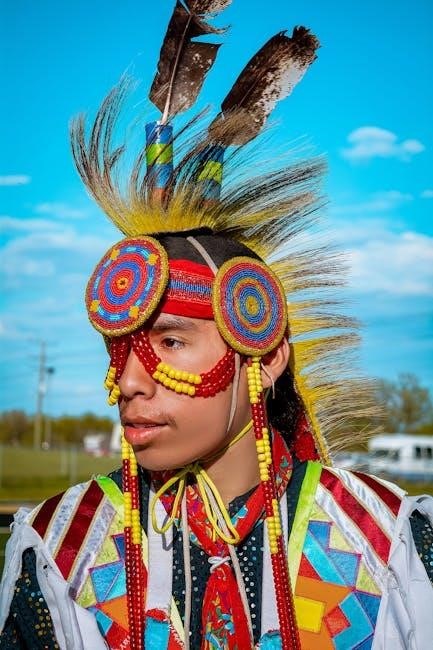
Modern Interpretations and Practices
Contemporary seekers integrate spirit guide wisdom into daily life through mindful reflection, nature connection, and responsible exploration of Indigenous spiritual traditions.
Integrating Spirit Guide Wisdom into Daily Life
Embracing the guidance of spirit animals involves a conscious effort to observe the world with heightened awareness. This means paying attention to recurring symbols, dreams, and synchronicities that may carry messages from the spirit realm.
Daily practices like journaling, meditation, and spending time in nature can deepen this connection; Reflecting on the qualities of your spirit guide – be it a bear’s strength or an eagle’s vision – and applying those attributes to your challenges fosters personal growth.
Ultimately, integrating this wisdom is about living in harmony with the natural world and honoring the interconnectedness of all things, fostering a life of purpose and meaning.
Responsible Exploration of Native American Spirituality
Genuine engagement with Native American spirituality demands deep respect and a commitment to avoiding cultural appropriation. It’s crucial to understand that these traditions are living practices, not commodities for personal gain.
Prioritize learning directly from Indigenous sources – books, websites, and organizations led by Native peoples – rather than relying on generalized interpretations. Acknowledge the historical context and the harm caused by past misrepresentations.
Approach with humility, recognizing that true understanding requires ongoing learning and a willingness to listen and honor Indigenous perspectives.
Resources for Further Learning
Explore books and websites dedicated to Native American traditions, and support Indigenous-led organizations for authentic knowledge and respectful engagement.
Books and Websites
Delving deeper requires reliable resources. Consider exploring works by Indigenous authors offering firsthand perspectives on these spiritual beliefs. Websites dedicated to Native American cultures, particularly those managed by tribal organizations, provide authentic insights.
Heather S. Fleming’s writings offer a contemporary understanding of spirit animals, while resources from Hirvikota can illuminate totem traditions. Be discerning; prioritize sources that demonstrate cultural sensitivity and respect for Indigenous knowledge systems. Always verify information and acknowledge its origins.
Indigenous-Led Organizations
Supporting Indigenous voices is crucial when learning about spirit guides. Seek out organizations directly run by Native American tribes and communities. These groups offer accurate information and promote cultural preservation, ensuring respectful engagement with these sacred traditions.
Prioritize learning from the source, avoiding interpretations that may misrepresent or appropriate Indigenous beliefs. Authentic resources will emphasize reciprocity and ethical considerations, fostering a deeper understanding of the spiritual significance of animal guides within their cultural context.